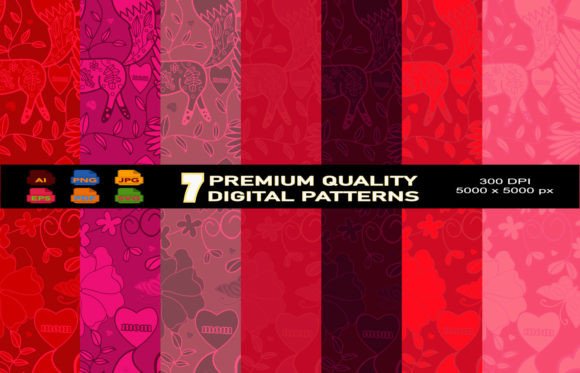
Mom and Baby Digital Pattern Review: A Designer’s Practical Take
When evaluating a machine embroidery design, it's essential to look beyond the initial visual appeal and consider how it translates into real-world use. As an experienced designer and product reviewer, I recently tested the Mom and Baby Digital Pattern across several common embroidery projects—tote bags, baby clothes, and holiday gifts—to see how it holds up in practice.
First Impressions: Warmth and Versatility
The Mom and Baby Digital Pattern immediately struck me as a thoughtful and versatile set of digital seamless patterns. The theme is centered around motherhood and childhood, which makes it ideal for creating heartfelt, personalized items. The mood is gentle and nurturing, with soft curves and playful elements that evoke warmth and connection.
Visually, the patterns are clean and balanced. They feature a mix of applique design elements and subtle textures, making them suitable for both modern minimalist aesthetics and more traditional handmade looks. The layout suggests flexibility—it doesn’t scream for attention but rather blends seamlessly into various project types.
Design Personality and Project Fit
What stands out is the visual personality of the bundle. It feels like a collection you could return to again and again without ever repeating the same feel. Each pattern brings a different tone—some are more whimsical, while others lean toward elegant simplicity. This range allows the designer to match the right pattern to the right product, whether it’s a cozy sweatshirt or a delicate baby blanket.
I found myself imagining this set being used on a custom tote bag design for a new mom. The pattern would wrap around the fabric nicely, adding just enough detail to make the item feel special without overwhelming the eye. For sweatshirt embroidery, the patterns add charm without becoming too busy, especially when paired with simple text or monogramming.
Real-Life Embroidery Performance
Testing the Mom and Baby Digital Pattern on a few sample projects gave me a clearer idea of its strengths and limitations. Here’s how it performed:
- Baby Clothes: The patterns worked beautifully on onesies and bibs. Their soft, flowing lines complemented the delicate nature of infant apparel, and the color schemes were easy to adjust for gender-neutral or personalized options.
- Tote Bags: On cotton canvas, the fill stitch areas held up well, though I did notice some slight puckering if the stabilizer wasn't applied correctly. Overall, the design added a nice touch of elegance without compromising durability.
- Pillow Covers: These turned out exceptionally well. The seamless nature of the designs allowed for wrapping around corners smoothly, which is a big plus for decorative home goods.
- Embroidered Patches: When using these as standalone embroidered patches, the patterns looked lovely, especially when stitched in pastel thread colors. However, small details required extra care during digitization to ensure clarity after cutting.
- Holiday Gifts: During the test run for a festive holiday embroidery project, the design was adaptable enough to work with seasonal accents, like snowflakes or hearts, depending on how you layered the elements.
In each case, the stitch density felt appropriate for the fabric type I used. That said, I always recommend adjusting settings based on your machine and material. These aren’t one-size-fits-all embroidery files, but they’re designed with adaptability in mind.
Where to Use Mom and Baby Digital Pattern with Caution
While the Mom and Baby Digital Pattern is undeniably charming, there are certain scenarios where it might not perform at its best. As a designer who works with clients daily, I know that choosing the right fit for the project is key to success.
- Small Hoop Sizes: Some of the patterns contain intricate shapes that may get lost in smaller hoops. Always check the scale before committing to a design for tiny products like keychains or mini patches.
- Textured Fabrics: While cotton and linen took the design well, I noticed that on flannel or denim, the texture can affect the sharpness of the running stitch outlines. A good quality stabilizer helps here.
- Stretchy or Thin Fabric: Stretchy materials like jersey knit can cause distortion if the design isn’t properly adjusted. Thin fabrics also require careful handling to avoid tearing from dense stitch areas.
- Dark Fabric Backgrounds: The patterns rely on contrast to stand out. If using on dark fabric, consider light-colored threads or white-on-black effects to enhance visibility.
- Curved Surfaces (e.g., Caps): The digital nature of the pattern means it can be manipulated, but curved surfaces still demand extra attention to prevent misalignment or stretching.
- Frequent Washing Items: For items like baby clothes or kitchen towels, ensure the design uses durable stitches and proper backing to maintain shape and clarity over time.
If you're considering this for a commercial handmade product, be sure to evaluate how it looks on all intended materials and applications before finalizing production.
Customer Appeal and Branding Value
One of the most important factors for any craft business or Etsy seller is how a design will resonate with customers. The Mom and Baby Digital Pattern has strong emotional appeal. It conveys love, care, and celebration—perfect for personalized gifts or boutique items targeting parents and families.
As a design asset, it enhances the product value by offering a premium feel. Even when printed as a printable mockup for online listings, the patterns look polished and professional. This level of presentation builds customer trust and can increase buyer engagement, especially for those looking for meaningful, high-quality handmade shop items.
From a branding perspective, the consistent style of the 7-pattern bundle makes it easy to create a cohesive line of nursery decor, small shop product offerings, or even wedding gifts. You can rotate between patterns without losing brand identity, which is invaluable for creative entrepreneurs aiming to maintain a recognizable style across their inventory.
Giftability and Recognition
These designs naturally lend themselves to gift-giving. Whether it's a custom embroidered cap for a new dad or a custom apparel piece for a child's birthday, the patterns elevate the item into something memorable. They also offer excellent recognition value—if a customer loves one product featuring the pattern, they’ll likely seek out similar items in the future.
However, it’s crucial to ensure the design remains legible and attractive after stitching. Overly dense areas or tiny lettering may lose definition, so inspect every element carefully before mass-producing.
Designer Notes: What to Keep in Mind
Before diving into your next embroidery project, here are a few practical tips I’ve gathered while working with the Mom and Baby Digital Pattern:
- Test on Scrap Fabric First: Especially if you're using it for commercial purposes, always do a trial run. It helps catch issues like thread tension or fabric distortion early.
- Check Thread Color Contrast: Use a black-and-white preview to assess how the pattern will look regardless of the fabric chosen. Sometimes what looks great on screen fades on actual materials.
- Review Stitch Density: If your machine struggles with tight fills, consider editing the embroidery file to reduce stitch count slightly or alternate with running stitches for lighter coverage.
- Confirm Hoop Size Requirements: Though the hoop size wasn’t specified, I suggest starting with a medium-sized hoop and adjusting based on your specific needs.
- Inspect Small Details: Since this is a premium digital embroidery file, it should include intricate parts—but always verify that they translate clearly to the needlepoint.
- Use Proper Stabilizer: Depending on the fabric, tear-away or cut-away stabilizers can help maintain the design’s integrity and prevent puckering.
- Verify Licensing Before Selling: If you plan to use this for commercial embroidery projects, double-check the licensing terms. Many digital patterns come with personal-use-only restrictions unless otherwise stated.
Adapting for Both Personal and Commercial Use
This bundle is equally suited for hobbyists and professionals. For a handmade product line, the Mom and Baby Digital Pattern can serve as a signature motif. Its seamless format allows for easy repetition on larger items like blankets or banners. But remember, for commercial resale, you must confirm whether the design permits such use. If not, consider purchasing a commercial license or using it strictly as inspiration for your own creations.
For digital product sellers, the patterns can be bundled with mockups or sold as part of a themed collection. Just be mindful of how they display in previews—some patterns may need slight scaling or framing to look their best in digital form.
Final Thoughts from the Design Bench
The Mom and Baby Digital Pattern is a solid choice for anyone looking to add a warm, thoughtful touch to their embroidery project. It balances detail and simplicity well, making it a flexible option across a wide range of products. From baby embroidery to holiday gifts, this bundle has shown potential in multiple real-life applications.
Still, as with any graphics-based design, context matters. Choose your fabric wisely, adjust stitch settings accordingly, and always test before going full-scale. When done right, the Mom and Baby Digital Pattern can significantly enhance the professionalism of your work and boost brand consistency in your product lineup.
If you're a small shop owner, Etsy seller, or simply a craft lover who wants to offer unique, high-quality personalized gifts, this is worth exploring. Just keep a realistic approach—this is a tool, not a magic wand. Your skill and preparation will determine how beautifully it shines on the finished product.